By Dr. Mohammad Reza Heidary (Specialist Dermatologist)
ACNE: A Modern Perspective in Dermatology
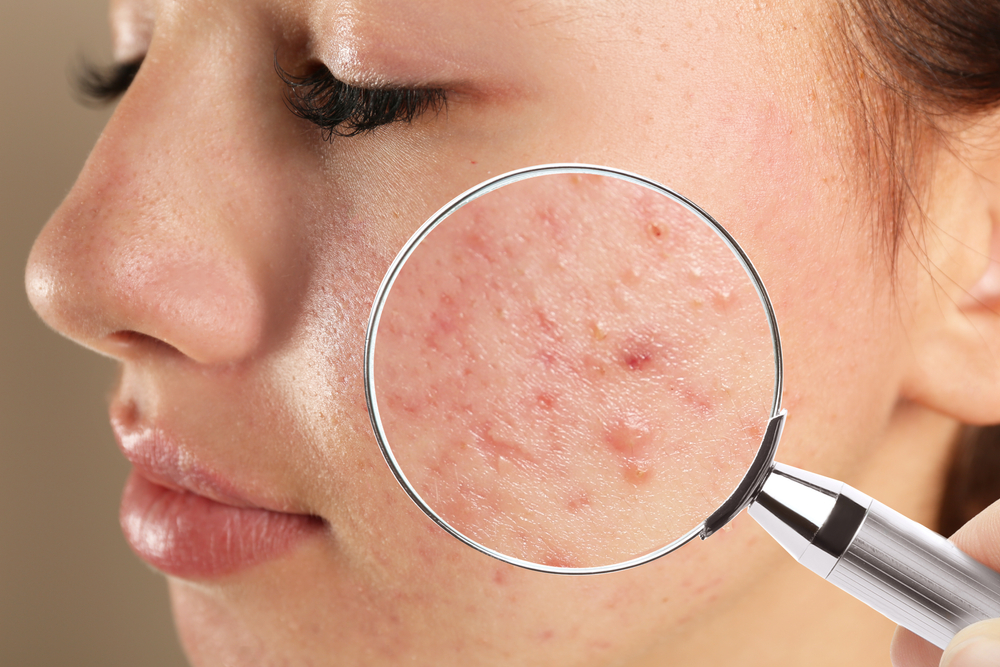
Once dismissed as a passing skin concern of adolescence, acne is now recognized as a chronic, relapsing inflammatory condition that affects people across all ages and skin types. It impacts not only the skin—but also self-esteem, mental health, and long-term skin quality.
At the heart of this evolution in understanding lies a critical shift: Acne is not just about oil and bacteria—it begins with inflammation.
Recent studies confirm that inflammation precedes comedone formation, highlighting the role of Caveolin-1 (CAV1)—a protein deeply involved in cellular signaling and inflammation regulation. This insight reshapes how we diagnose, prevent, and treat acne at its earliest stages.
What’s New in Acne Therapy? (2024–2025)
Scientific innovations are opening new doors—giving both patients and clinicians more precise, effective, and patient-friendly tools to manage acne. These breakthroughs span across energy-based devices, systemic treatments, and advanced topical formulations.
Energy-Based Devices (EBDs)
EBDs are revolutionizing acne treatment,
offering targeted, non-pharmacologic options with impressive outcomes:
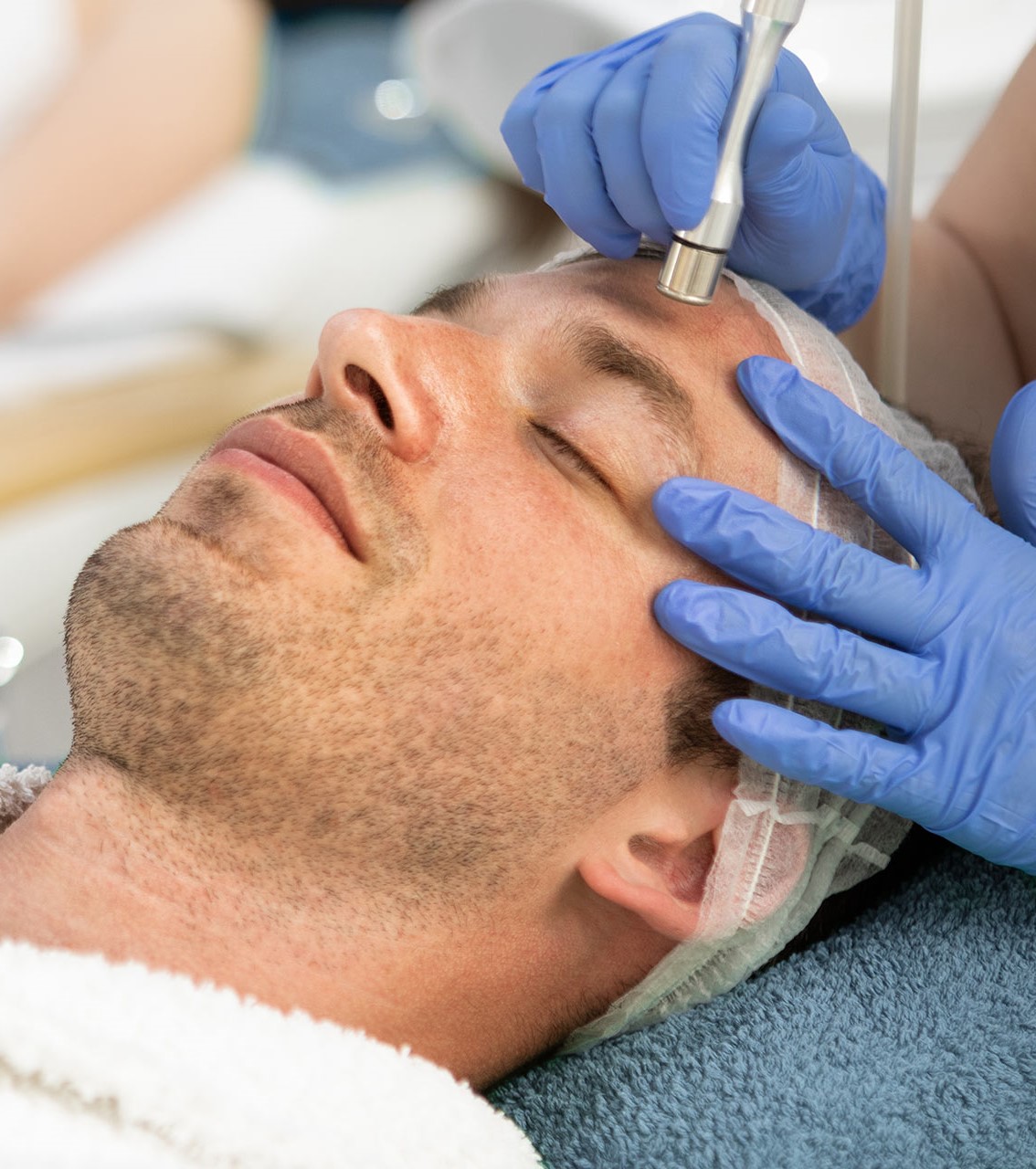
1726-nm lasers (e.g., Accure): Specifically target overactive sebaceous glands. Clinical trials show up to 70% reduction in inflammatory lesions—with long-lasting effects and minimal side effects.
1064-nm Nd:YAG (650 µs pulse):Proven effective on all skin types without the need for anesthesia or cooling. Patients report visible improvements and enhanced self-confidence.
TF-LDM Ultrasound Therapy: A pain-free, non-invasive option delivering sustained acne reduction—ideal for patients seeking non-drug solutions.
Laser + Isotretinoin Combo: New studies support this pairing for faster lesion clearance and improved scarring, challenging previous safety concerns.
Systemic Therapies: Focused & Safer
Sarecycline: A narrow-spectrum tetracycline targeting Cutibacterium acnes with reduced impact on gut flora. Its safety profile makes it suitable even for long-term use in teens and adults.
The shift is clear: We now prioritize anti-inflammatory actions over broad-spectrum antibiotic use.
Tropical Innovations: Powerful Yet Gentle
New topical treatments offer multi-targeted action with improved tolerability:
CABTREO Gel: A fixed-dose combination of Adapalene 0.15%, Clindamycin 1.2%, and Benzoyl Peroxide 3.1%—FDA approved for once-daily use.
Clascoterone 1% Cream: The first topical anti-androgen, it competes with DHT at receptor level—ideal for hormonally influenced acne.
Minocycline 4% Foam: A well-tolerated topical antibiotic, especially effective in moderate to severe acne.
Other Valuable Options Include:
Trifarotene (for truncal acne)
Dapsone 7.5%,
Azelaic Acid 15%,
Tazarotene 0.045% lotion
Looking Ahead:
Acne management is entering a new era of precision therapy—combining clinical efficacy with patient satisfaction. With a growing toolbox of advanced lasers, safer oral medications, and next-gen topicals, we now offer customized acne plans that are both science-driven and lifestyle-friendly.
Whether you’re facing persistent breakouts or seeking to prevent long-term scarring, the future of acne care is personal, powerful, and promising.
**End of Article 1**
ARTICLE 2
By Dr. Mohammad Reza Heidary (Specialist Dermatologist)
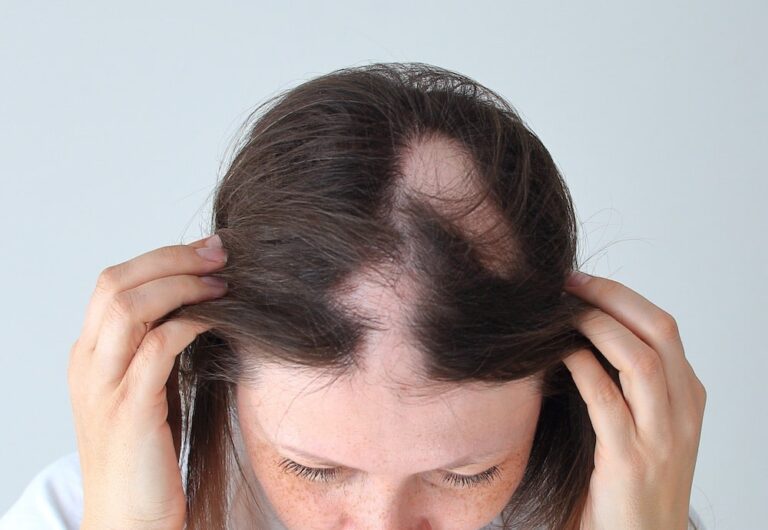
Alopecia Areata: A New Era of Treatment (2024–2025)
Once considered unpredictable and difficult to manage, alopecia areata (AA) is now entering a new era of scientific understanding and targeted therapy. This autoimmune condition—affecting scalp, eyebrow, and body hair—impacts not only appearance, but also self-esteem and mental well-being.
At the heart of progress lies a shift in focus: Alopecia areata is not simply “hair falling out”—it is an immune-driven condition, where the body mistakenly attacks its own hair follicles. The latest research is transforming how we diagnose and treat this complex disease.
What’s New in Alopecia Areata Therapy? (2024–2025)
Scientific breakthroughs are expanding the treatment toolbox, offering patients more durable, precise, and personalized options than ever before.
JAK Inhibitors: Leading the Way
JAK inhibitors are reshaping alopecia care with impressive long-term data:
Deuruxolitinib(Leqselvi):Recently FDA-approved in the US, showing sustained hair regrowth in up to 76% of patients over 68 weeks.
Ritlecitinib (Litfulo): Demonstrated 46% complete regrowth, with 93% maintaining results over two years—a major milestone.
Ivarmacitinib (China): Phase 3 trials confirmed strong regrowth at both 4 mg and 8 mg doses, with safety consistent to other JAK inhibitors.
These treatments go beyond temporary fixes—offering long-lasting control for severe cases, including loss of eyebrows and eyelashes.
Rezpegaldesleukin: Redefining Immune Balance
A novel interleukin-2 receptor pathway agonist that boosts regulatory T-cells, correcting the immune imbalance at the root of AA.
Already successful in psoriasis and atopic dermatitis, it is now in phase 2b trials for severe alopecia areata.
In July 2025, it received FDA Fast Track designation, accelerating its path toward approval.This therapy holds promise for patients who do not respond fully to JAK inhibitors.
Bempikibart: A Dual-Target Biologic
A first-in-class antibody blocking both IL-7 and TSLP pathways.
Phase 2 trials showed lasting improvement even after stopping treatment, with only mild-to-moderate side effects.
Represents a new frontier in biologics for AA, aiming for deeper and longer remission.
Looking Ahead:
The treatment of alopecia areata is rapidly shifting from uncertainty to precision. With advanced JAK inhibitors, novel biologics, and immune-balancing therapies, patients now have more hope than ever before.
This new wave of innovation means:
Earlier intervention for better outcomes.
Durable regrowth instead of temporary solutions.
Personalized plans tailored to disease severity and patient needs.